FF Proxy Server Connection Keeps Dropping: Fixes That Help
A connection that drops once is an annoyance. A connection that drops again and again, always at the worst moment, is a pattern asking to be read. The fixes below work best when you treat drops as evidence: when they happen, where you are, and what else the phone and the house are doing at that moment all point toward the cause.
Keep FF Proxy Server mobile app for Android at the centre of your routine while you work through this, and change only one thing between test sessions. Drops have several common authors, and the fastest way to find yours is to eliminate them in a calm order rather than trying every fix in one desperate evening.
First, Describe the Drop Properly
Before fixing anything, answer three questions from your last few sessions. Do drops arrive at a similar time into the session, or at random? Do they happen in one place or everywhere? Do they strike on one connection type or both? Even rough answers narrow the field enormously and stop you from repairing the wrong thing with great enthusiasm.
Position-linked drops point at signal. Time-linked drops point at busy hours or a phone that struggles as it warms up. Drops on one route only point at that route. Each pattern has its own fix, which is why this short description step, boring as it sounds, is the highest-value minute in the whole process.
Rule Out the Signal and the Room
Weak signal is the most common author of repeat drops. On WiFi, play a session in the router's room and see whether the drops follow you there. On mobile data, try the spot in the house where sessions usually feel strongest. If drops vanish in the better position, your fix is geography, and no setting change would ever have found it.
If position changes nothing, test the other connection type for one session. The side-by-side thinking in FF Proxy Server on WiFi vs mobile data explains what each result means. Drops on both types, in every room, push suspicion toward the phone or the route rather than the network in the house.
Give the Phone a Fair Chance
Phones under pressure drop things. A nearly full storage, a hot device, or a crowd of heavy background apps can all interrupt a session that would otherwise hold. Before a test session, free a little space, close what you do not need, and let a hot phone cool down. Then play and see whether the drops respect your effort.
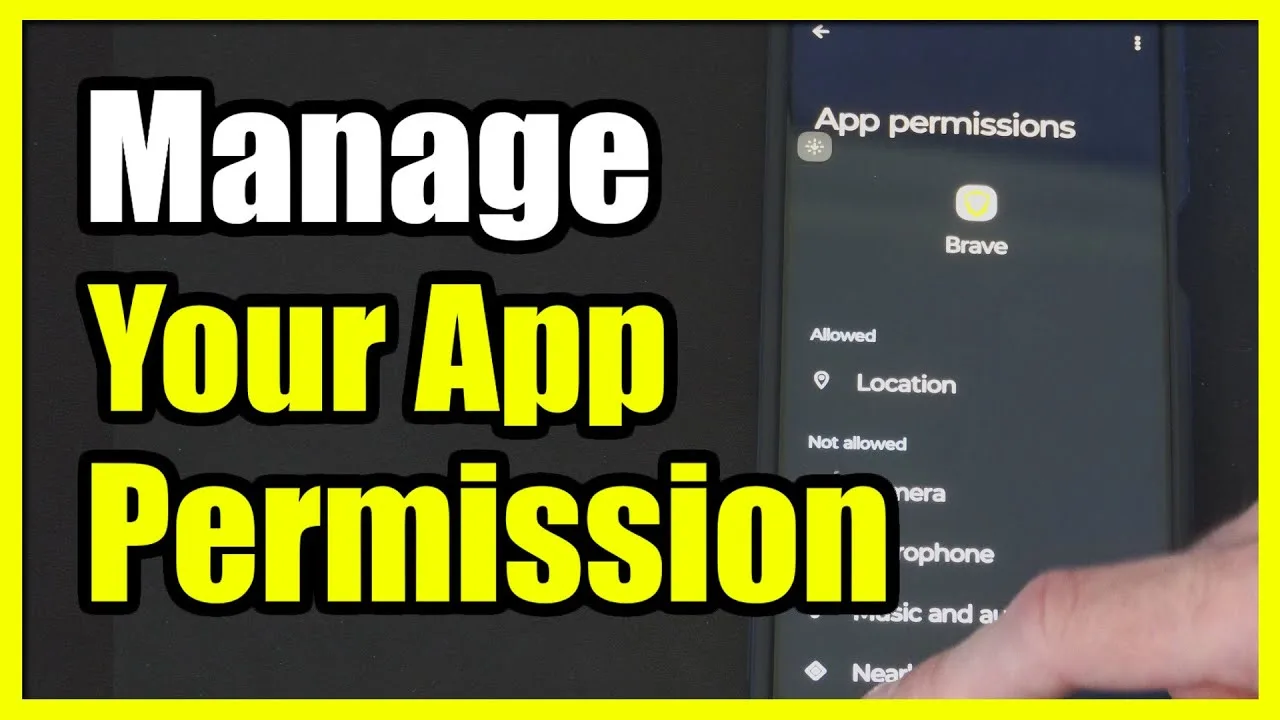
Battery-saving modes deserve a look here too. Aggressive saving features sometimes rest apps in the background more firmly than players expect, and a session tool is exactly the kind of app that suffers. If drops began around the time you changed power habits, test one session with a gentler setting and compare honestly.
Test the Route Before Blaming the App
If the phone and the signal both look innocent, give another route a full session. Routes do have individual off days, and a route that drops repeatedly while its neighbour stays calm has told you what it thinks. Switch once, play fully, and judge by the whole session rather than by whether the first five minutes behaved.
Persistent drops on every route, every network, and every position are the one pattern that points back at the installation itself. At that stage, work through the FF Proxy Server not working common problems and fixes guide in order, since it covers the app-level causes methodically and will either find your problem or confirm that the cause lives outside the app.
Keep the Fix, Write It Down
When a fix works, write down what it was. Drops have a habit of returning months later wearing a slightly different disguise, and the player who can say this happened before, and moving rooms ended it, solves the sequel in minutes. A two-line note after the session is all it takes.
Resist keeping spare fixes switched on forever, though. If moving rooms solved it, you do not also need every other change you tried that week left in place. Peel back the unnecessary changes one at a time, keep the setup simple, and your future troubleshooting stays quick because there is less machinery to suspect.
Drops That Arrive With One Particular Activity
Sometimes drops follow an activity rather than a clock: they appear when a certain household member starts streaming, when a big download begins somewhere in the house, or when the phone starts backing up photos because it finally found WiFi and a charger at the same time. That activity-linked pattern is a gift, because it names the competing job directly and the fix is scheduling rather than repair.
Agree a household truce for important sessions where you can, and move your own automatic jobs out of playing hours in your phone settings. When the competing activity cannot move, your backup connection or backup route may absorb it better, and one comparative session on a busy evening will tell you which shelter works in your home.
Final Thoughts
Repeat drops are a pattern, and patterns have causes that yield to order: describe the drop, test position, relieve the phone, test the route, and only then suspect the installation. Work that order with full sessions between steps and most dropping problems end with a single clear answer and a note that makes the next occurrence a two-minute job.